·1 min read
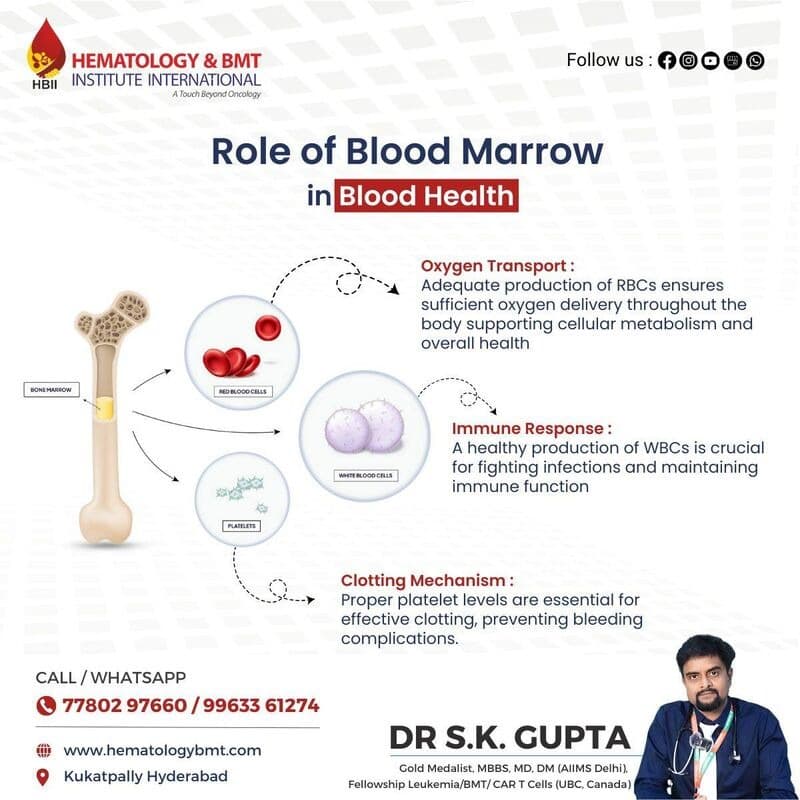
Can Persistent Fatigue Be Linked to Blood Disorders?
Fatigue can have numerous causes, ranging from inadequate sleep and stress to nutritional deficiencies and medical conditions.
Read article →
Good nutrition can play an important role during cancer treatment and bone marrow transplant (BMT) recovery. The body may need additional energy, protein, vitamins, and minerals to support recovery, maintain strength, and cope with the effects of treatment. During cancer therapy or after a BMT, some patients may experience reduced appetite, nausea, taste changes, mouth discomfort, or difficulty eating. These challenges can make it harder to meet nutritional needs. Eating smaller, balanced meals throughout the day and staying adequately hydrated may help, depending on the individual's medical condition and treatment plan. Protein-rich foods can be particularly important for maintaining muscle and supporting tissue repair. However, nutritional requirements can vary significantly between patients, especially during bone marrow transplantation when infection prevention and food safety may require additional precautions. Patients should follow the dietary recommendations provided by their treating medical team. A doctor or qualified oncology dietitian can help develop a nutrition plan based on the type of cancer, treatment, blood counts, transplant stage, medications, and individual nutritional needs. Nutrition is not a replacement for cancer treatment, but appropriate dietary support can be an important part of comprehensive recovery and overall well-being.
Fatigue can have numerous causes, ranging from inadequate sleep and stress to nutritional deficiencies and medical conditions.
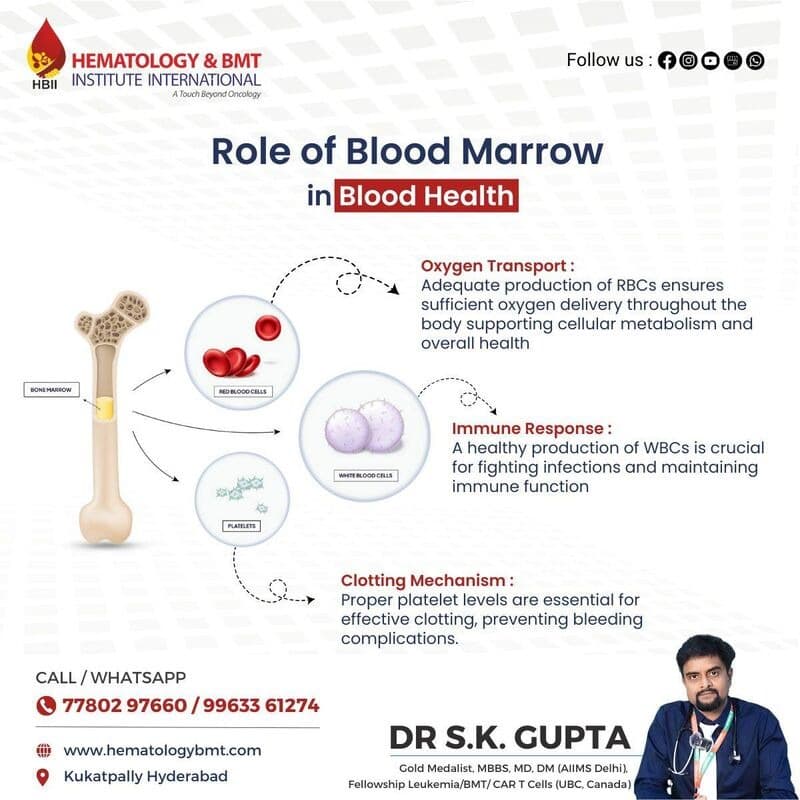
Chemotherapy is an important treatment used for several types of cancer, but it can affect daily routines in different ways.
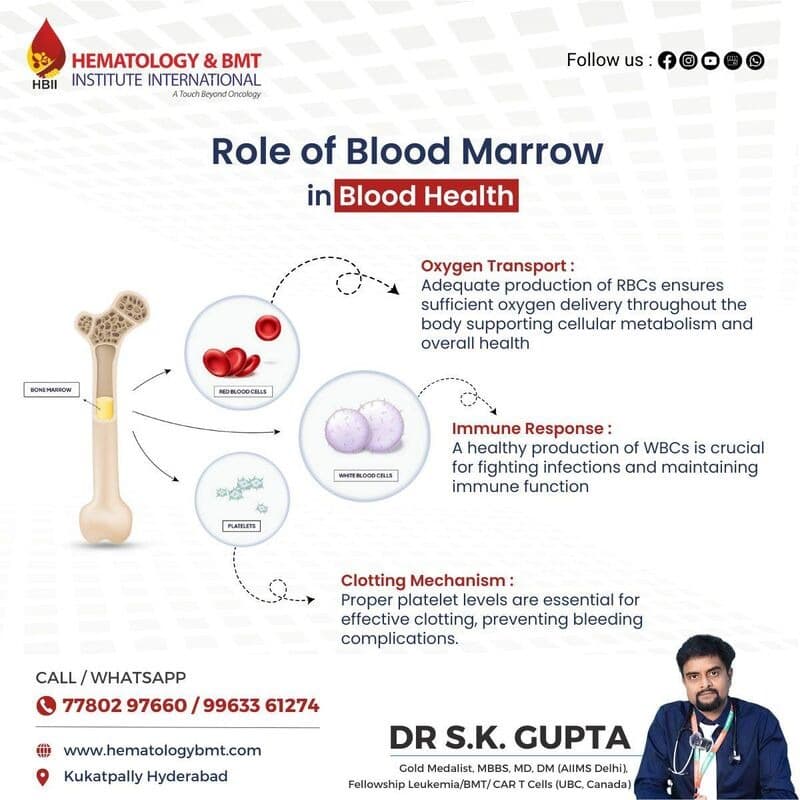
Maintaining proper nutrition during cancer treatment and bone marrow transplant recovery can support the body's changing needs. Cancer therapies and BMT may affect appetite, digestion, taste, and the body's ability to maintain strength, making adequate nutrition an important part of supportive care.