Savage, Trump, and the SAVE Act: How a Radio Rant Became Immigration Policy
On April 23, 2026, Michael Savage called India and China "hellholes" and Indian/Chinese tech workers "gangsters with laptops" on Newsmax. Trump shared it on Truth Social. India's MEA called it inappropriate and moved on. But the sequence wasn't accidental — Savage has a decades-long history of pushing nativist rhetoric to the edge so legislation can follow. This post traces the direct line from a radio studio in America to the SAVE Act sitting in the U.S. Senate, and what it means for 21 million eligible American voters who don't own a passport.
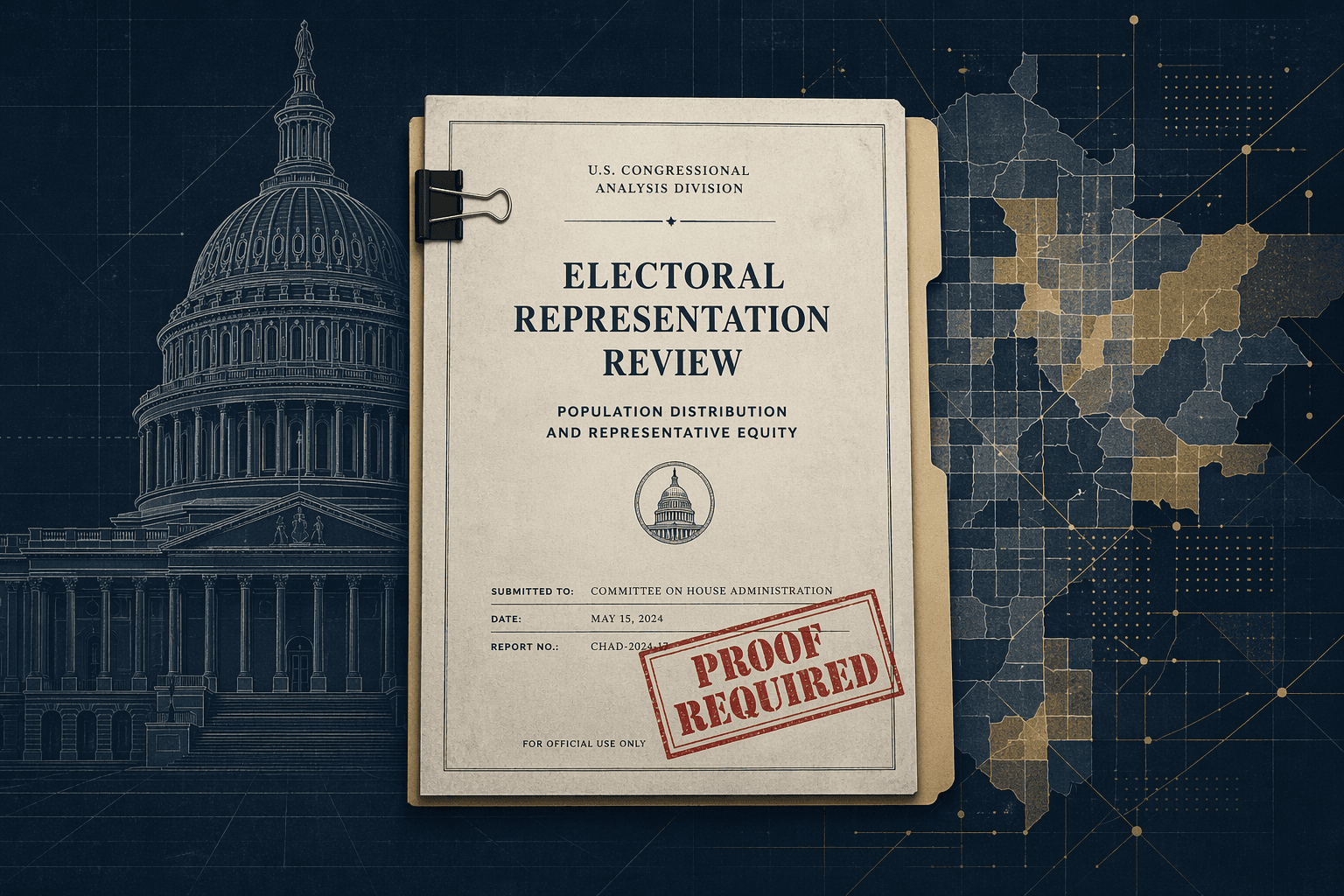
Savage, Trump, and the SAVE Act: How a Radio Rant Became Immigration Policy
On April 23, 2026, Trump opened Truth Social and shared a Newsmax clip from Michael Savage — a conservative radio host with a three-decade history of nativist commentary. In the broadcast, Savage called India and China "hellholes," described Indian and Chinese tech professionals as "gangsters with laptops," and accused them of robbing native-born Americans blind.
India's MEA called it "uninformed, inappropriate and in poor taste." The Hindu American Foundation condemned it. The news cycle moved on.
But the post wasn't random. It had a destination.
Who Michael Savage Is and What He Actually Does
Savage's radio show runs under the motto Language, Culture, Borders. His specific function in American conservative media is to say things elected officials cannot say directly — pushing the boundary of acceptable discourse so legislation can follow at a safer distance.
When Trump shared the clip, he wasn't endorsing a rant. He was elevating a specific argument: that legal, educated, tax-paying Indian and Chinese immigrants represent an existential threat to native-born Americans. That argument has a bill attached to it.
The SAVE Act: Five Provisions Worth Knowing
The Safeguard American Voter Eligibility (SAVE) America Act is Trump's stated "No. 1 priority." It passed the House in February 2026 and was stalled in the Senate when the Savage repost happened. Its core provisions:
Documentary proof of citizenship — passport or certified birth certificate, verified in person, before registration
Online and mail-in registration effectively nullified — original documents cannot be uploaded
National photo ID requirement overriding less restrictive state laws
Mandatory voter roll purges of anyone classified as a non-citizen
Private citizens empowered to sue election officials who don't comply
The Act's justification is that non-citizens are voting in federal elections at scale. Independent election monitors and legal scholars consistently describe this as exceedingly rare. The documented consequence of the Act, however, is not rare: a Brennan Center and University of Maryland study found over 21 million eligible American citizens lack ready access to the documentary proof the Act requires. That is one in ten voting-age citizens.
Why the Rhetoric Has to Come Before the Legislation
Legislation that creates barriers to voting needs an emotional justification strong enough to override disenfranchisement concerns. A dry statistical argument doesn't move voters. A cultural threat does.
By framing Indian and Chinese professionals — visible, credentialed, present in everyday American life — as hostile demographic replacements, the Savage broadcast creates the permission structure the SAVE Act needs. When the threat feels real and immediate, requiring a passport at the ballot box feels proportionate.
The target demographic is deliberate. Undocumented immigrants are largely invisible to the suburban conservative base. Indian engineers at tech companies are not. Making them the face of the threat energizes the base around a proximate enemy while building political cover for a law that will actually affect a far broader population — including millions of native-born citizens who simply don't own a passport.
The Diplomatic Surface of a Structural Problem
India's MEA response was measured — strong enough to register displeasure, careful enough not to rupture a strategic relationship. The U.S. Embassy referenced Trump's recent praise of Modi but offered no retraction of the slurs. The xenophobic framing was left standing.
Iran's consulate in Hyderabad moved fastest, calling the post racist and linking it to U.S.-Iran military tensions. Adversarial states have every incentive to amplify moments of American xenophobia. The post handed them a narrative at no cost.
What's Running in Parallel
The Supreme Court is simultaneously deliberating a presidential executive order to curtail birthright citizenship — the Fourteenth Amendment's guarantee that anyone born on U.S. soil is automatically a citizen. If upheld, combined with the SAVE Act's documentary requirements, the cumulative effect is a narrowing of who qualifies as a voter at both ends: at birth and at registration.
The midterm elections are approaching. The rhetoric justifies the legislation. The legislation shapes the electorate. The sequence is not accidental — it is the strategy.
Enjoyed this post?
Follow The Causal Observer to get notified of new posts.
Do you intend to write blog posts yourself?
Click hereHave a Question?
Please log in to ask the author directly.
Comments
No comments yet. Be the first to share your thoughts!